Are these economics books free?
Yes. Every book and article in this list is free to download or read.
ESSENTIAL ECONOMICS READS
Get a better understanding of economic principles with this reading list.
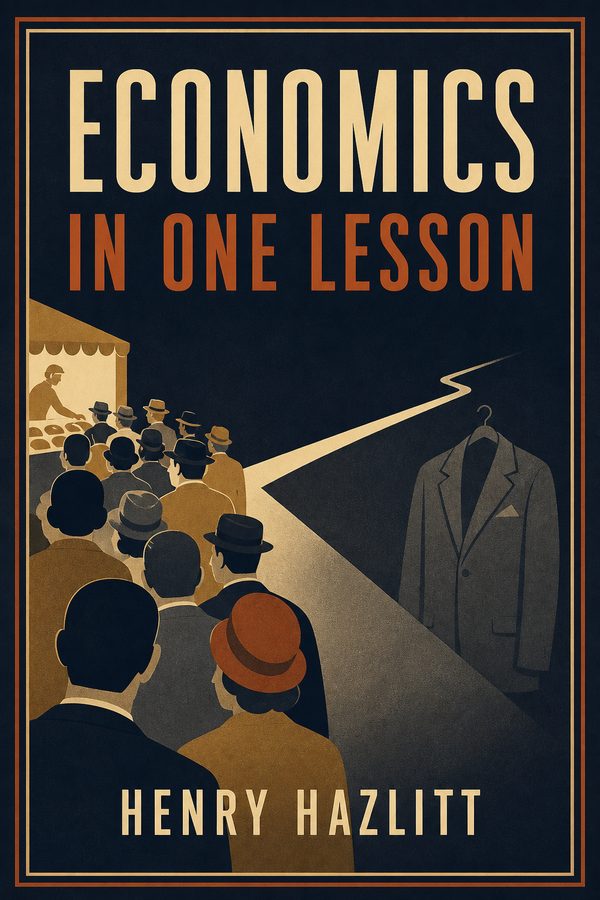
Henry Hazlitt explains basic economic principles and examines common economic fallacies through clear examples.
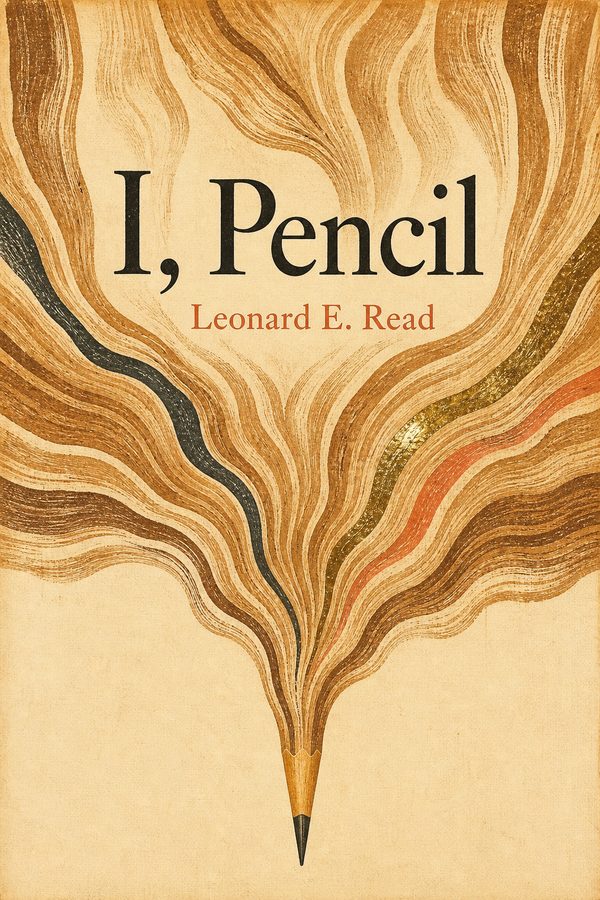
Leonard E. Read tells the story of how a pencil is made to show how markets coordinate the work of many people.
Murray N. Rothbard explains how money developed, how it works in a free market, and how government intervention changes it.
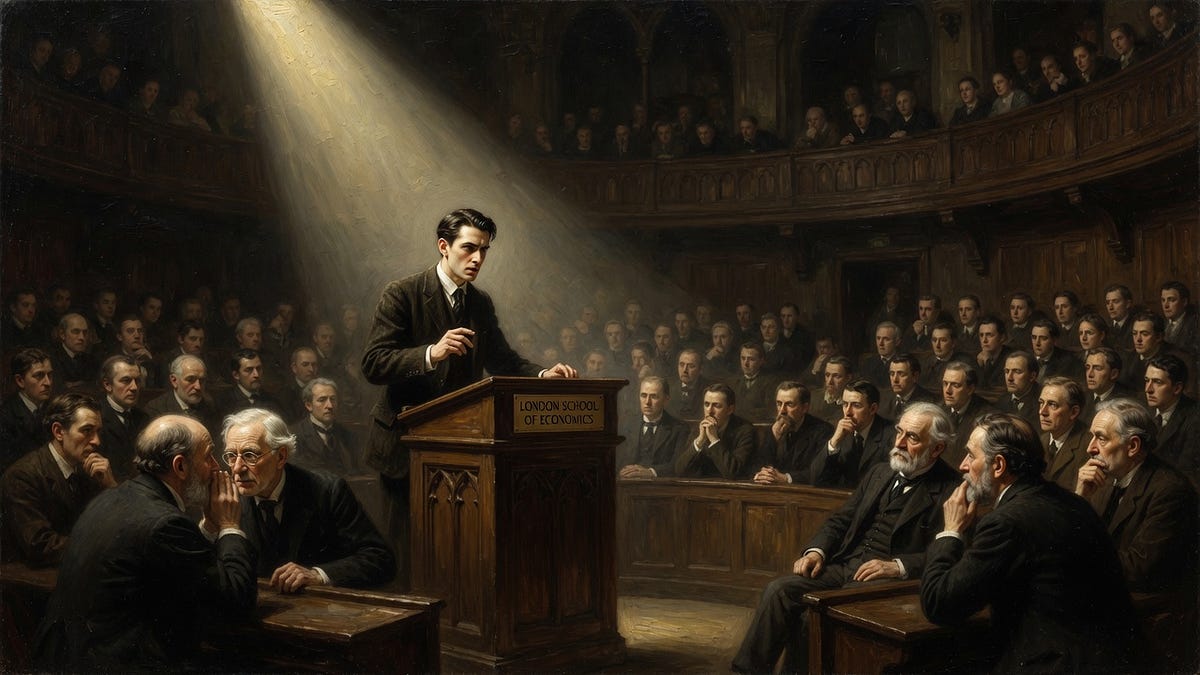
An introduction to Hayek's knowledge problem and the role prices play in coordinating economic activity.
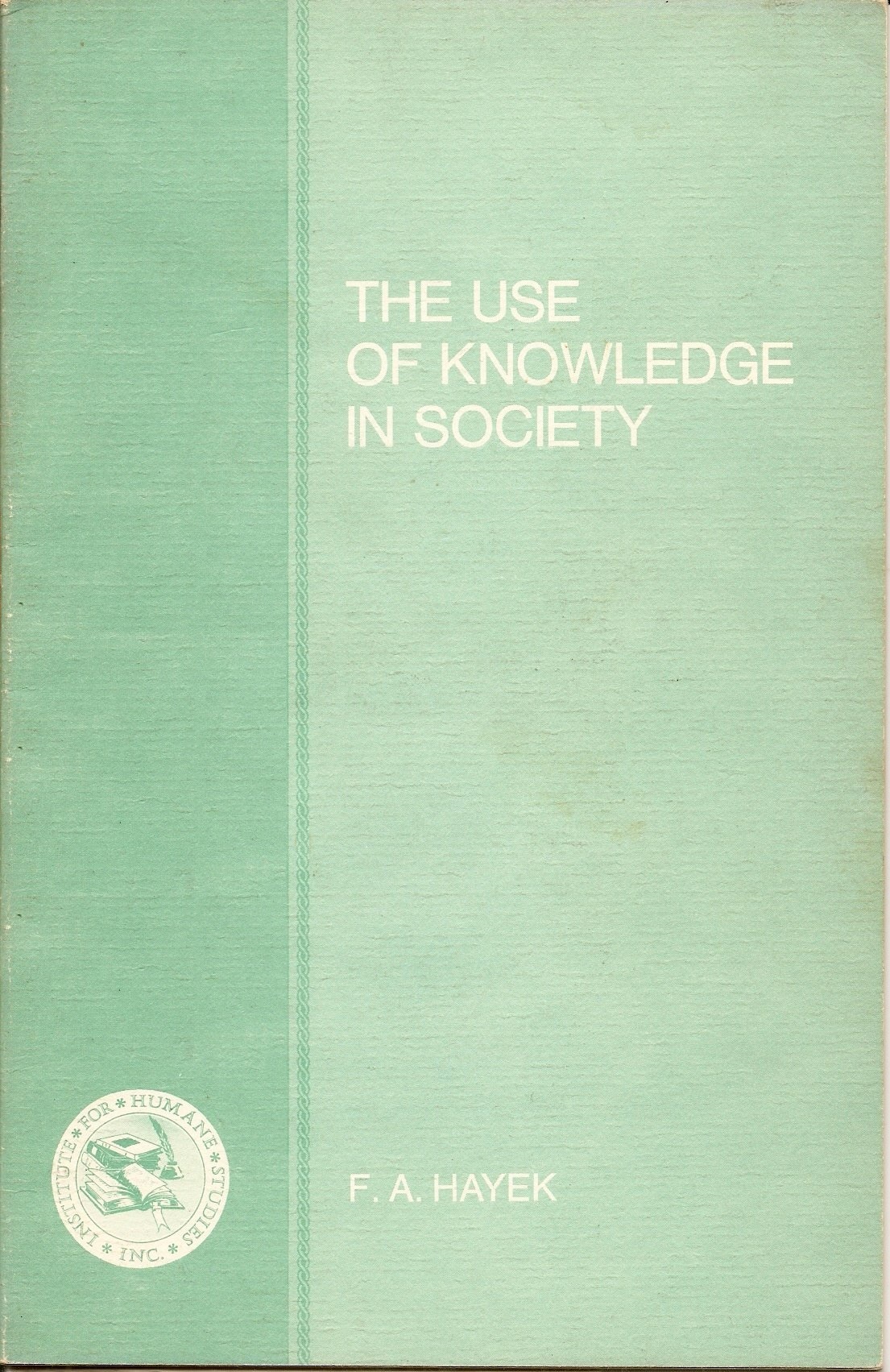
F. A. Hayek explains why prices help people use knowledge that no single person holds in full.
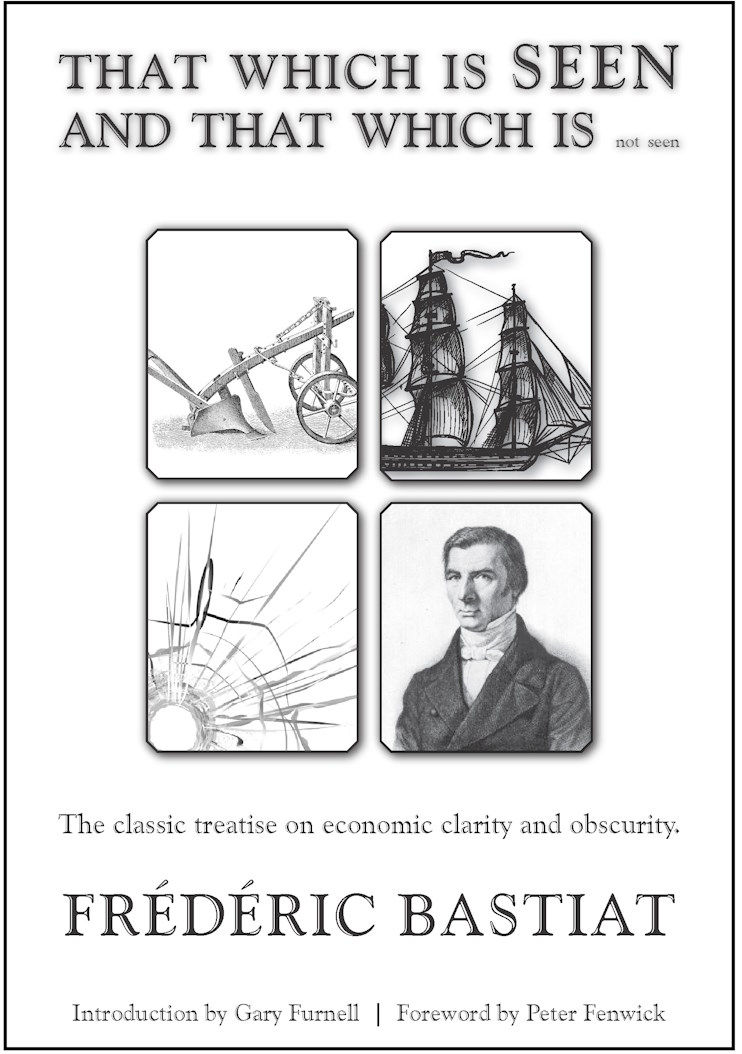
Frédéric Bastiat shows how to weigh both the direct results of a choice and the results that are easy to miss.
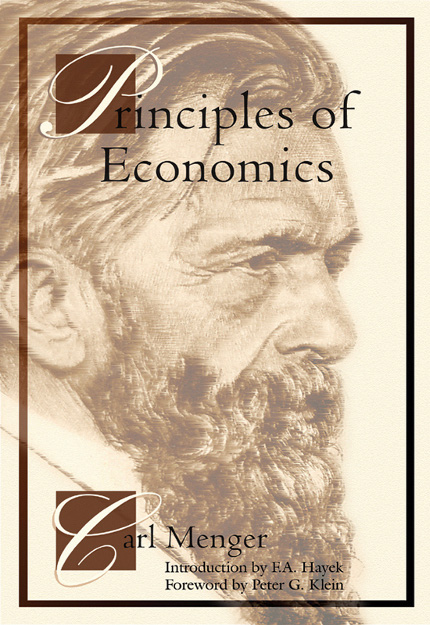
Read chapters III and V for Menger's account of value, marginal use, exchange, and how prices form.
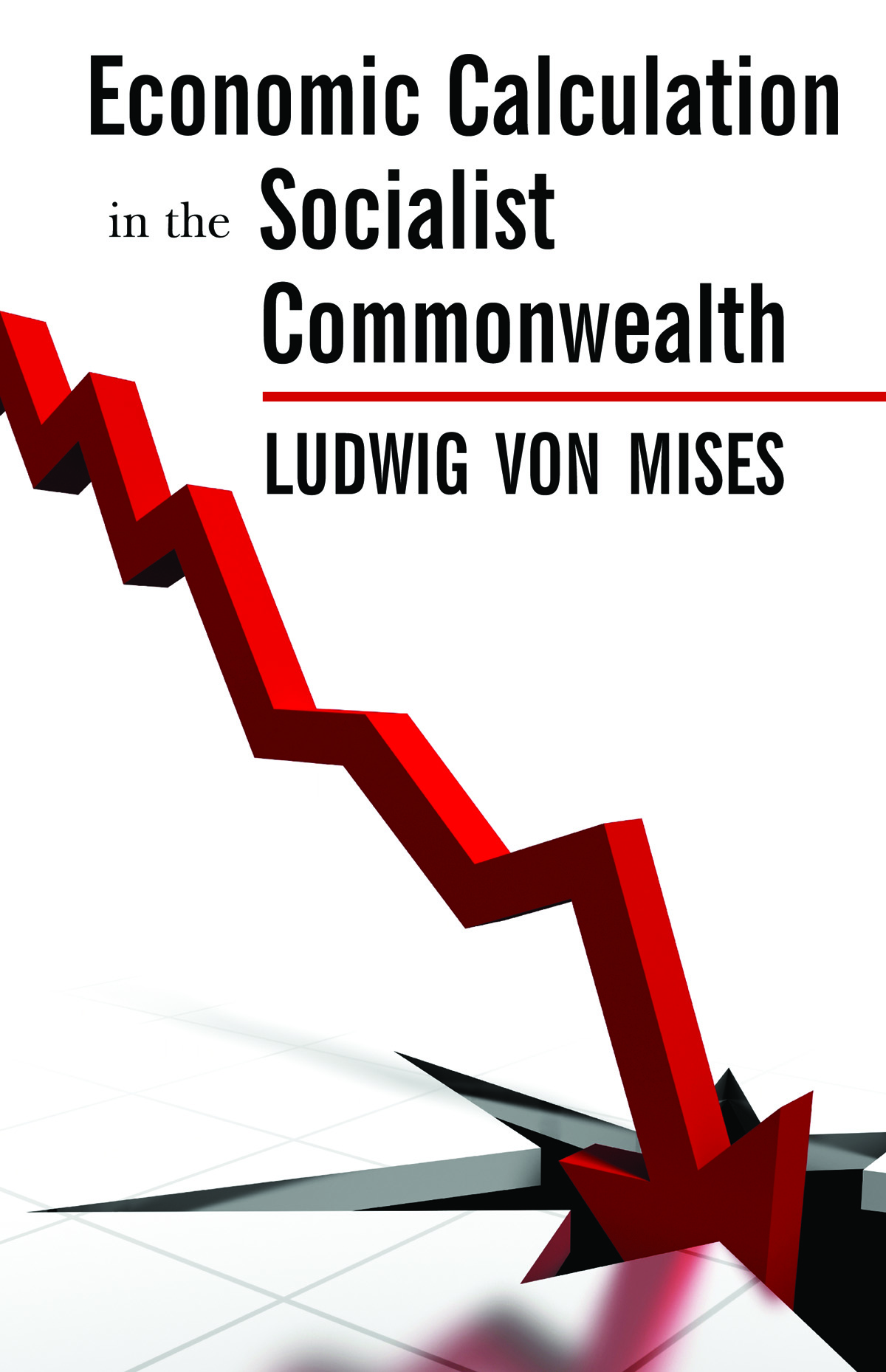
Ludwig von Mises argues that planners cannot compare uses of capital goods without market prices.
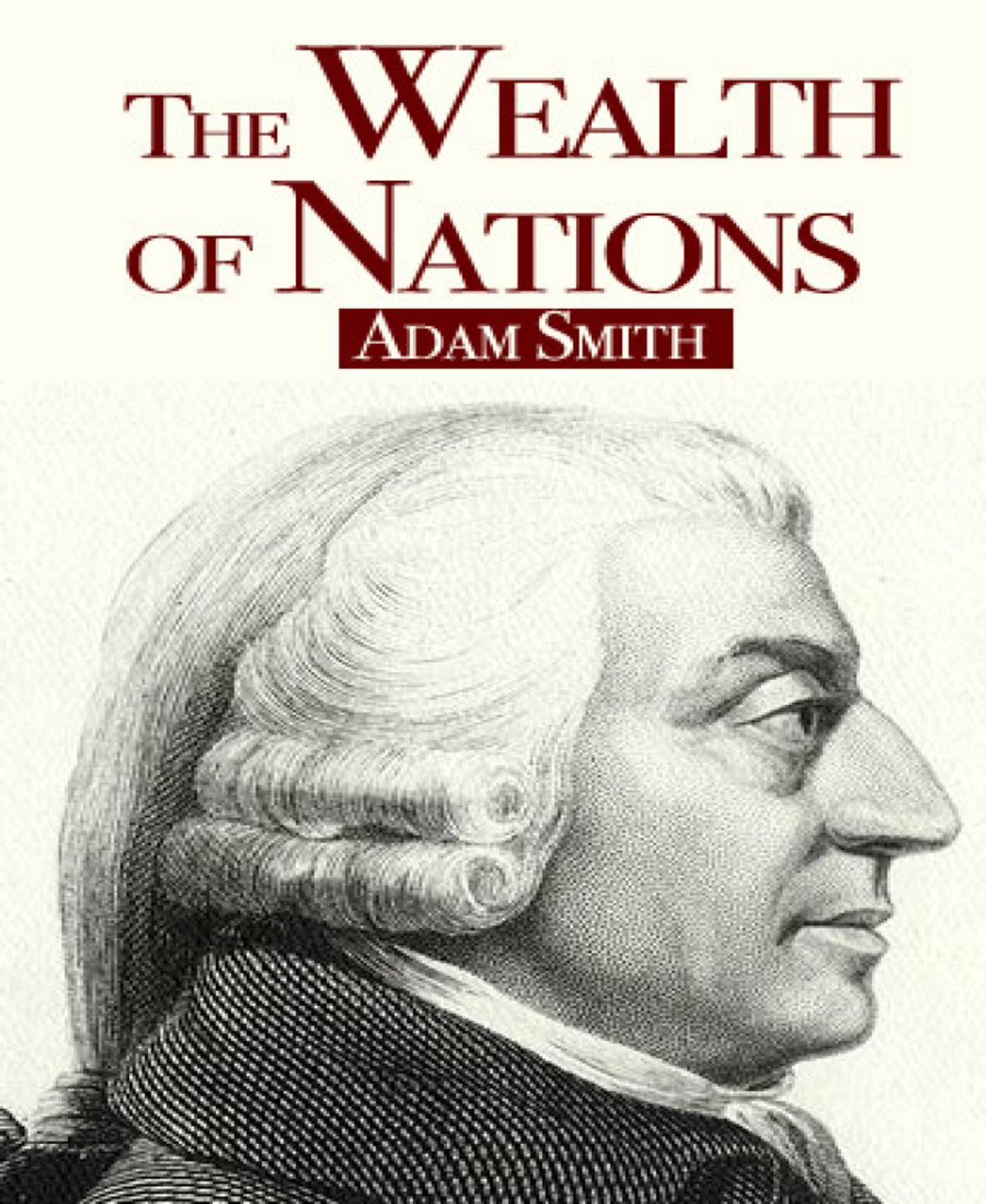
Read Book I, chapters 1–3 and 7 for division of labour, exchange, the size of the market, and market price.
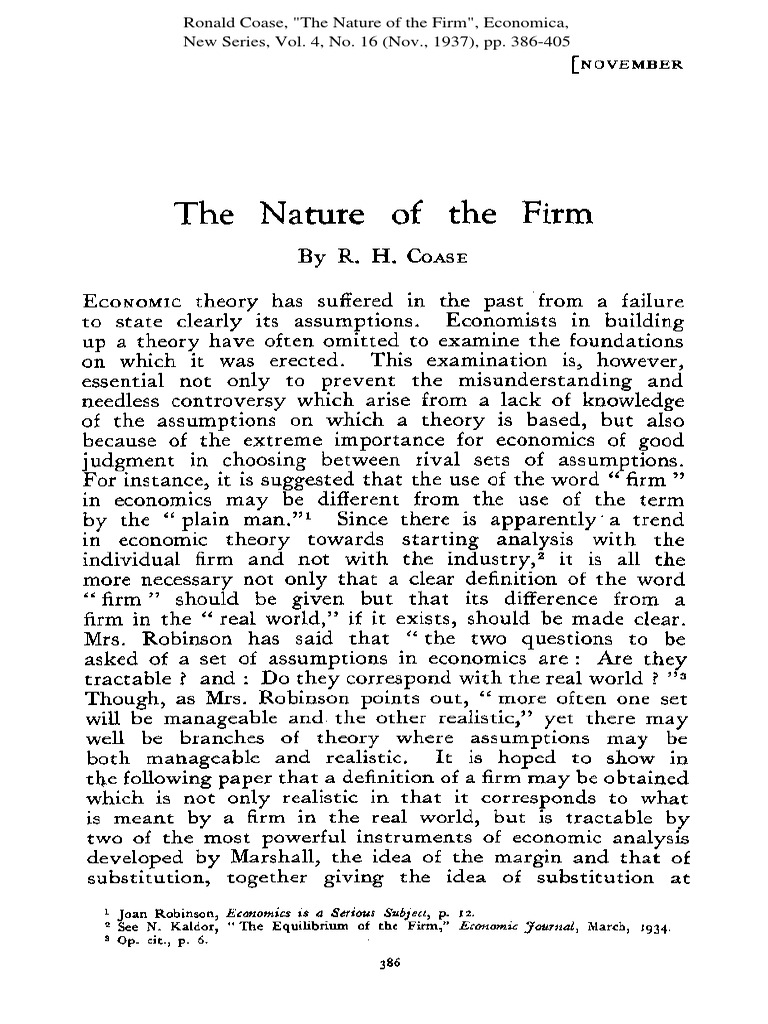
Ronald Coase asks why firms exist when markets can coordinate trade, then answers with the cost of using markets.
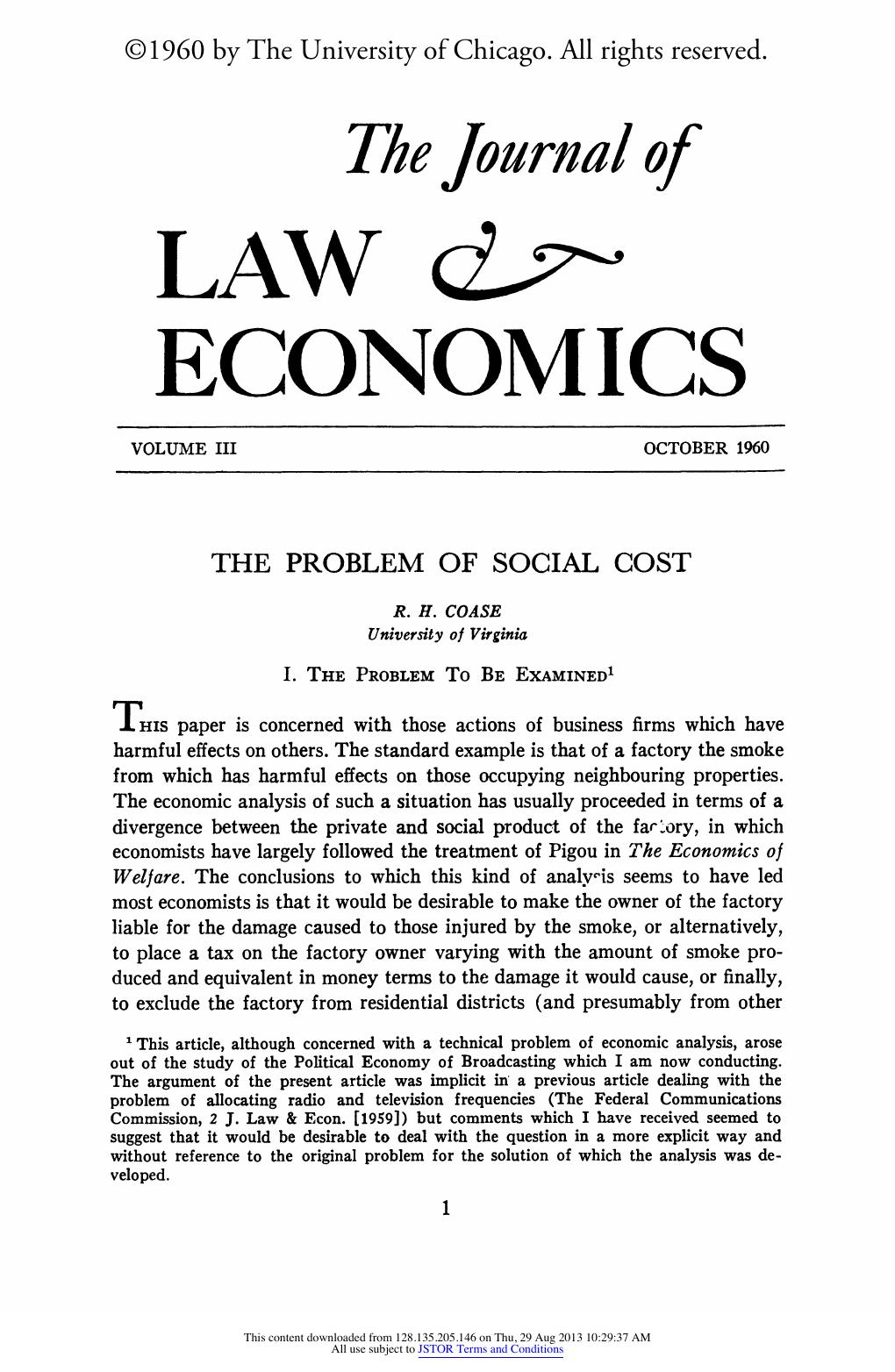
Ronald Coase examines harm, bargaining, ownership rules, and the costs that shape real choices.
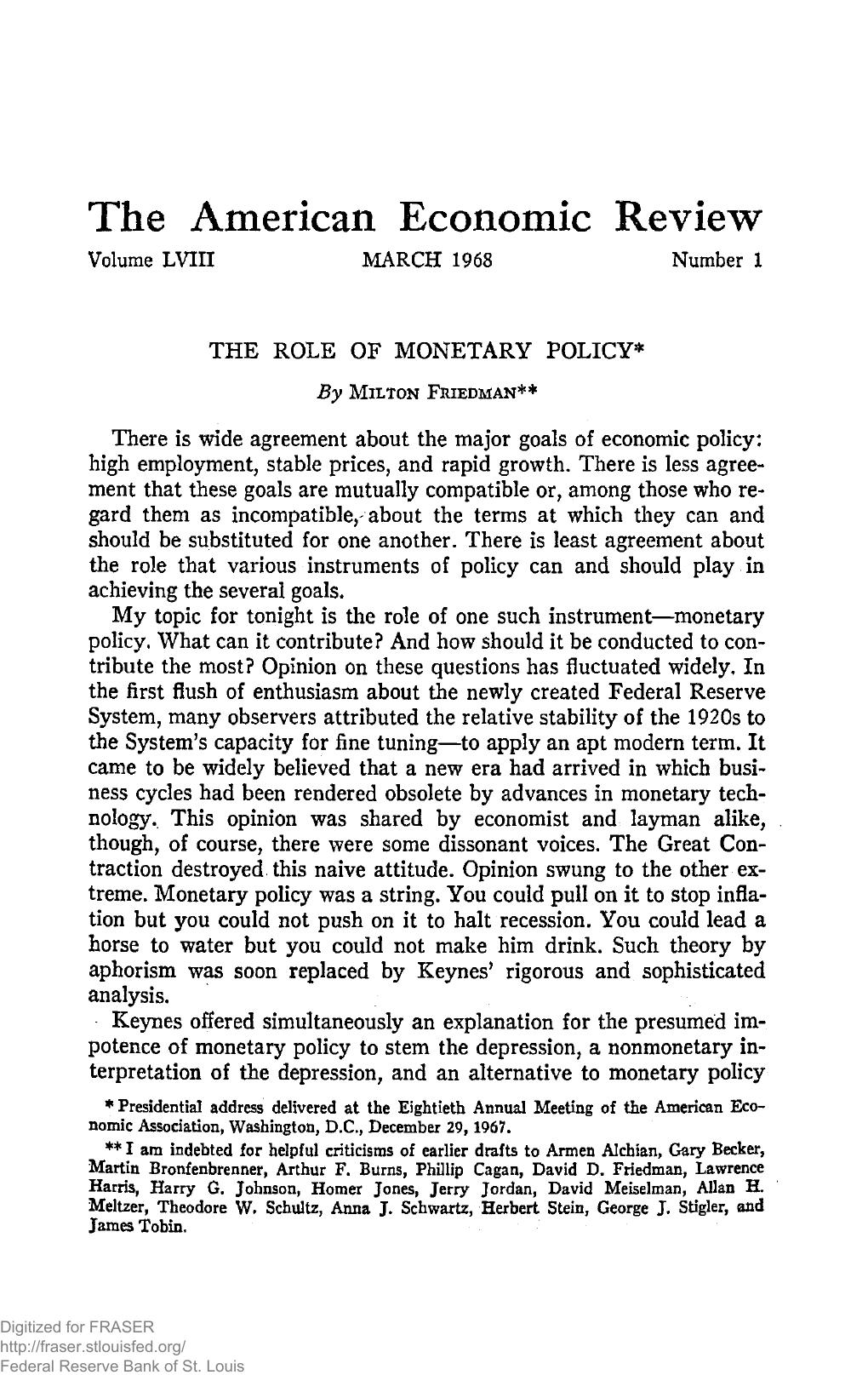
Milton Friedman explains what monetary policy can do, what it cannot do, and why inflation and joblessness can mislead policy makers.
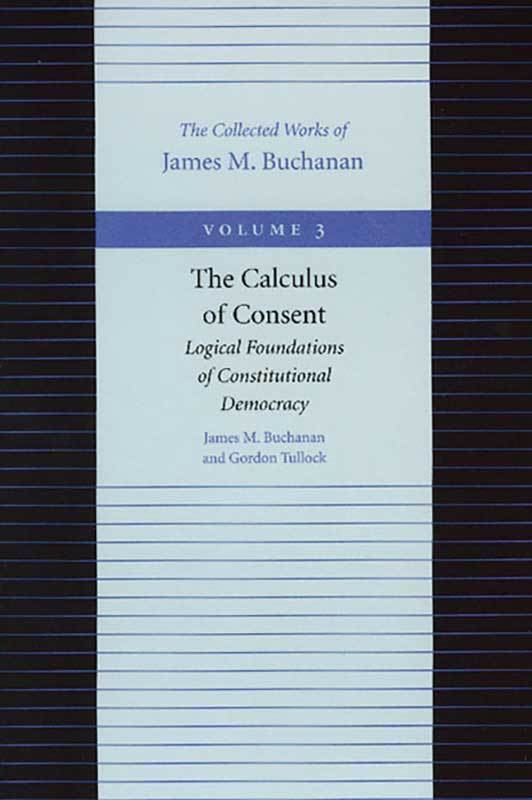
Read chapters 1–4 and 6 for a first look at choice, political exchange, group rules, and their costs.
ECONOMICS FOR BEGINNERS
This reading list covers basic economic principles, common economic fallacies, how markets coordinate people and resources, the history of money, and how prices are formed.
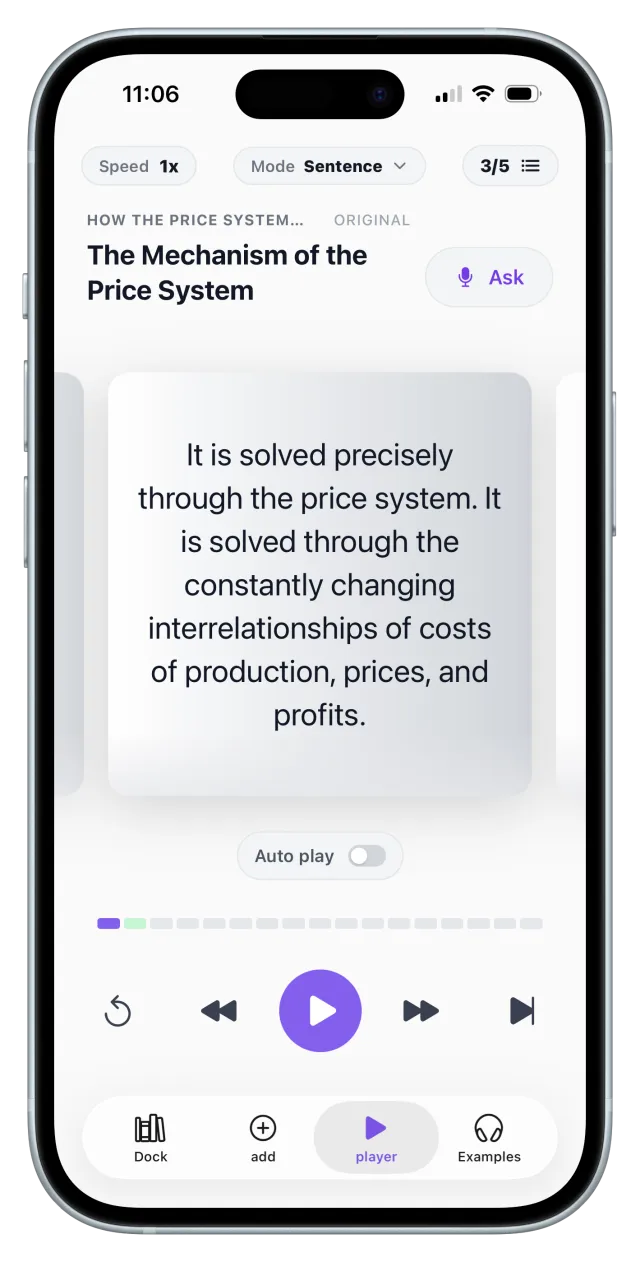
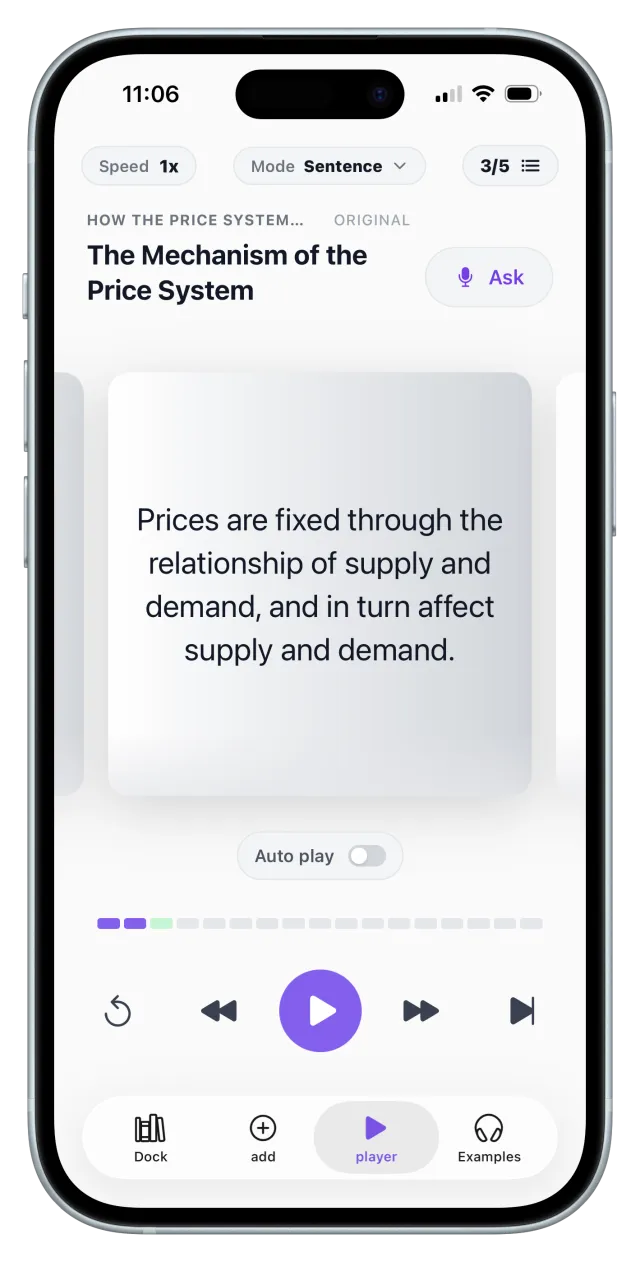
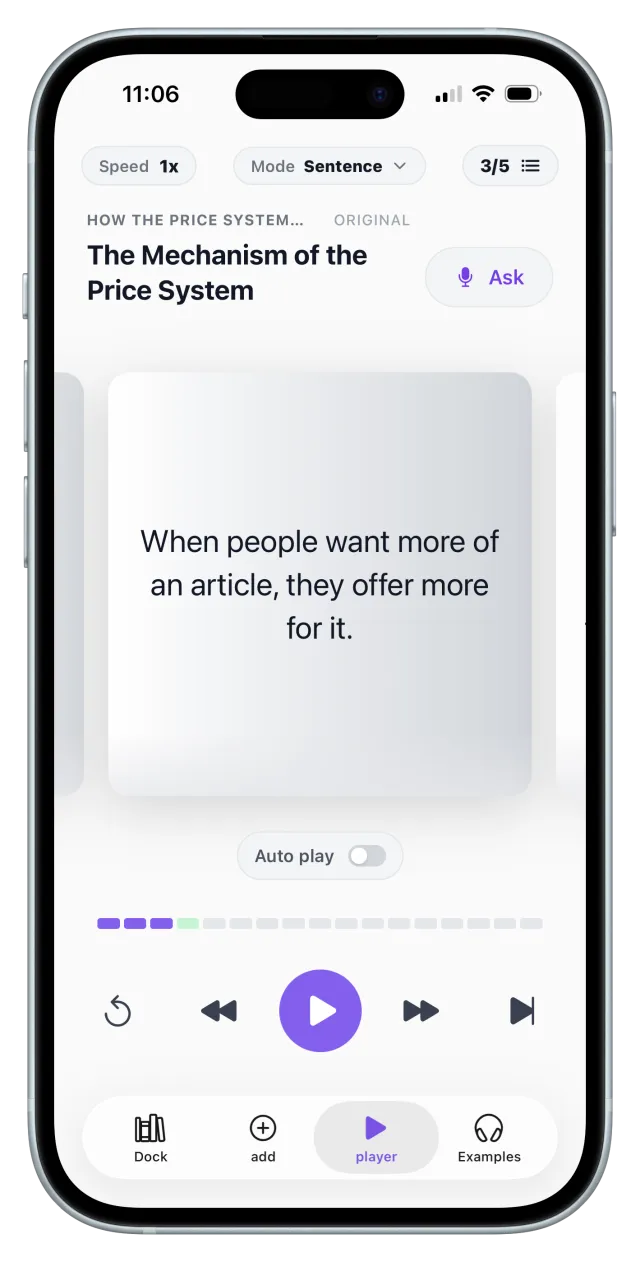
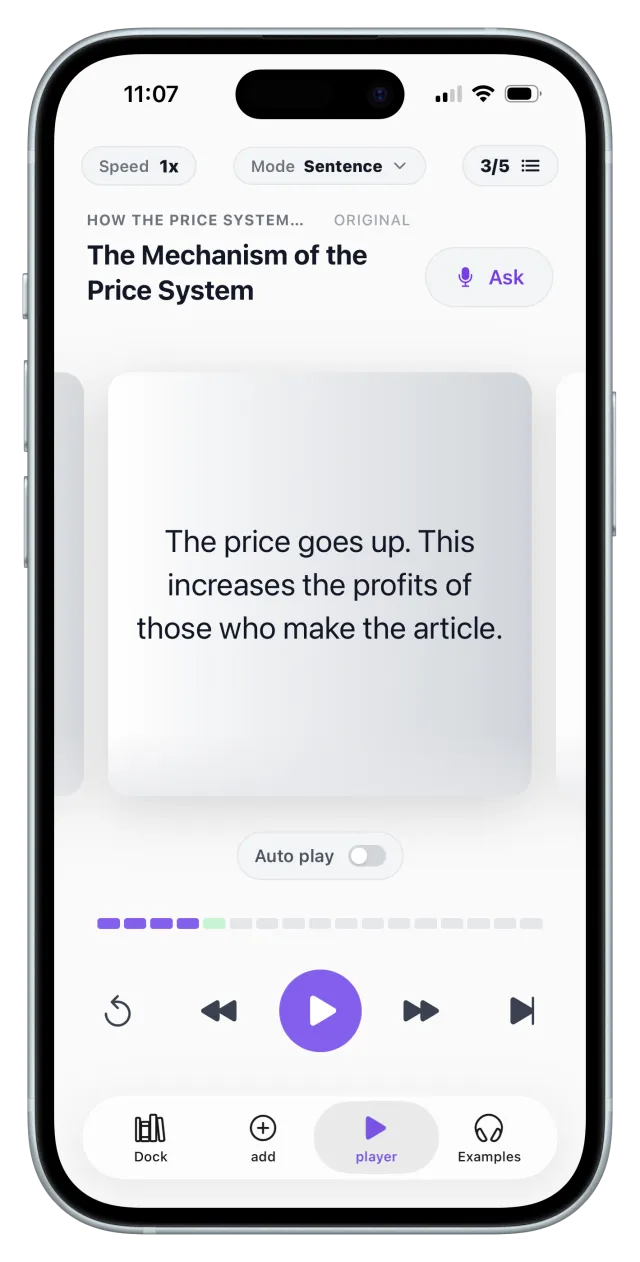
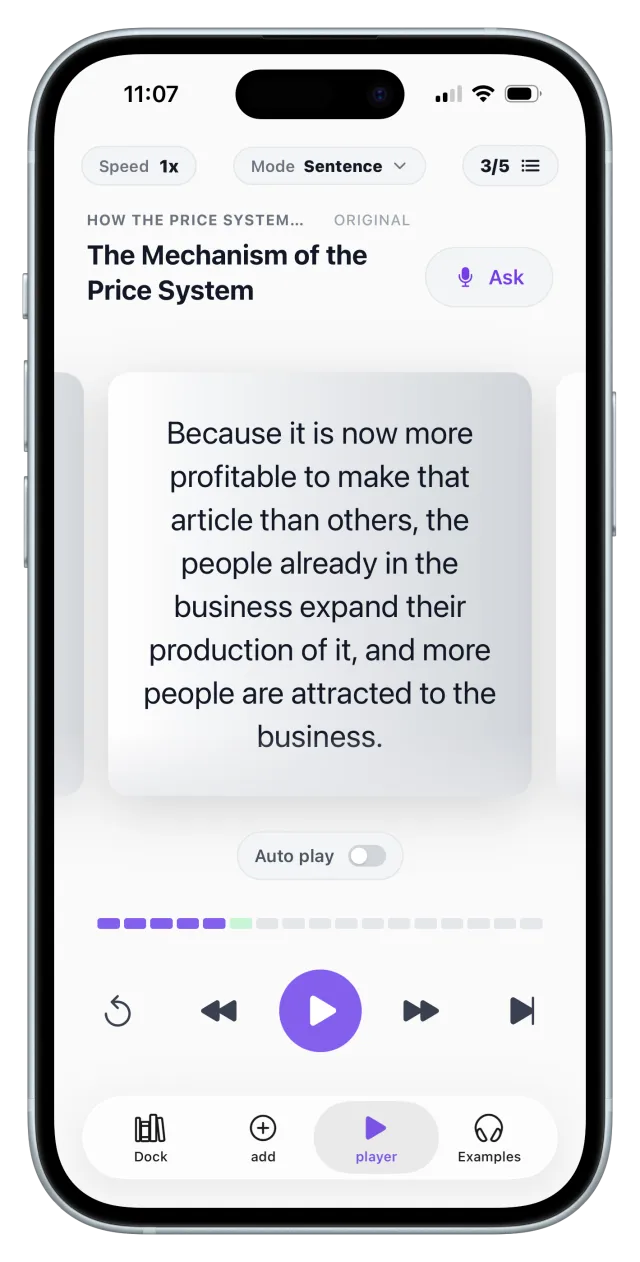
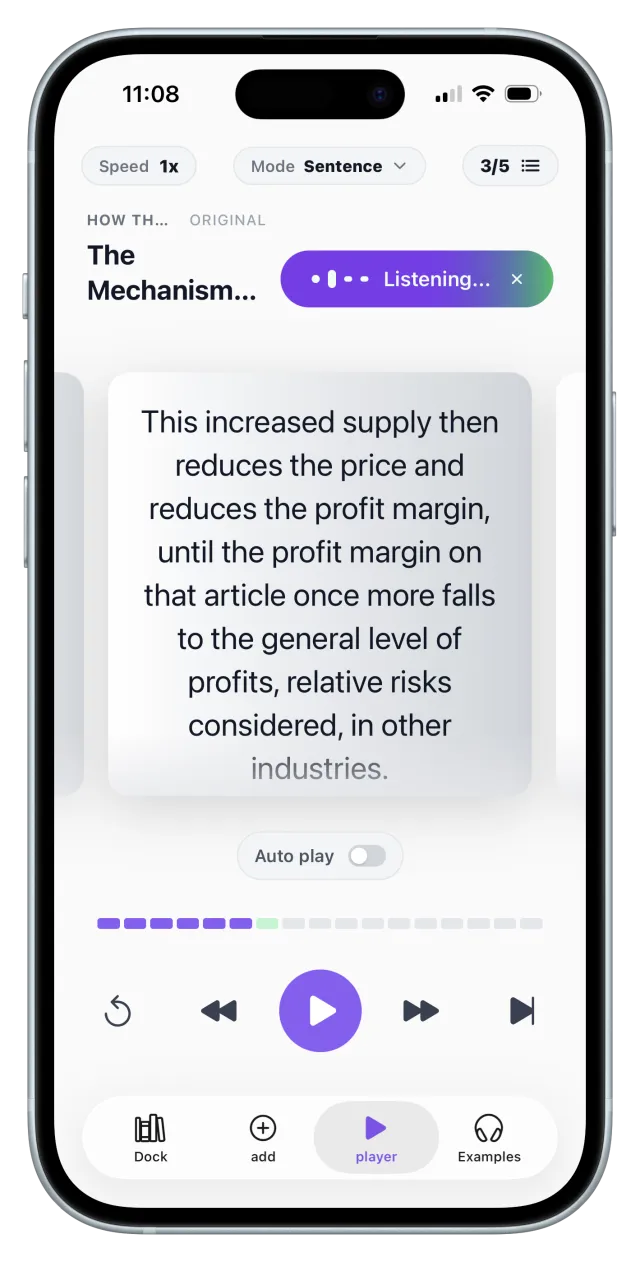
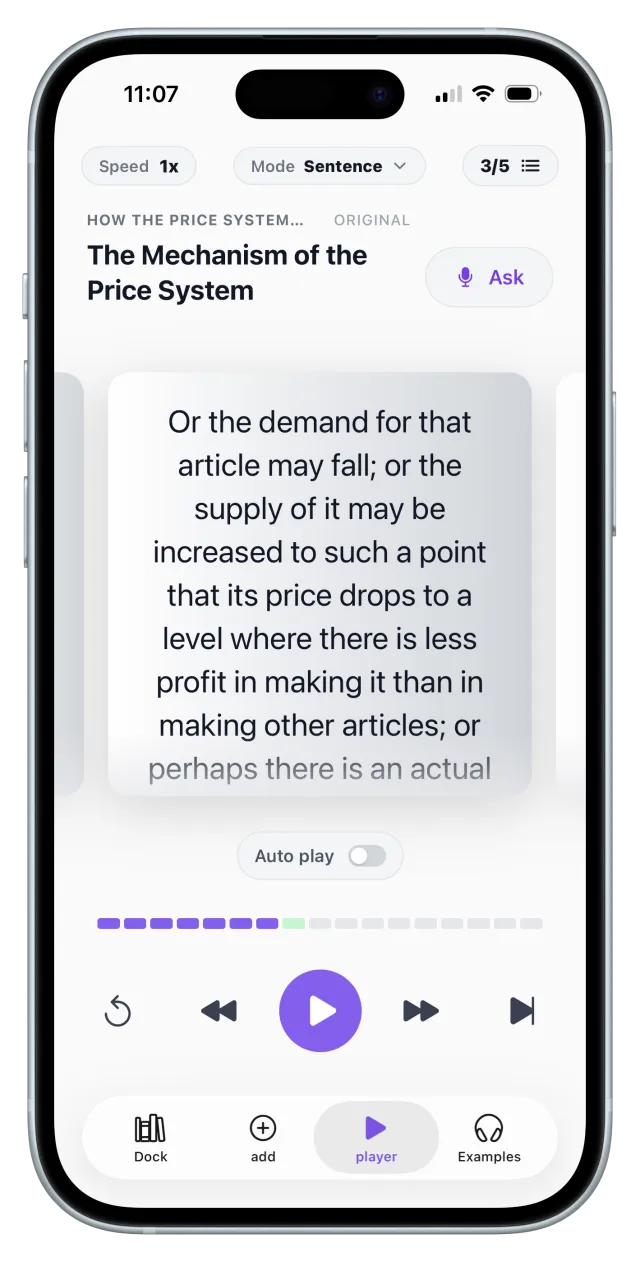
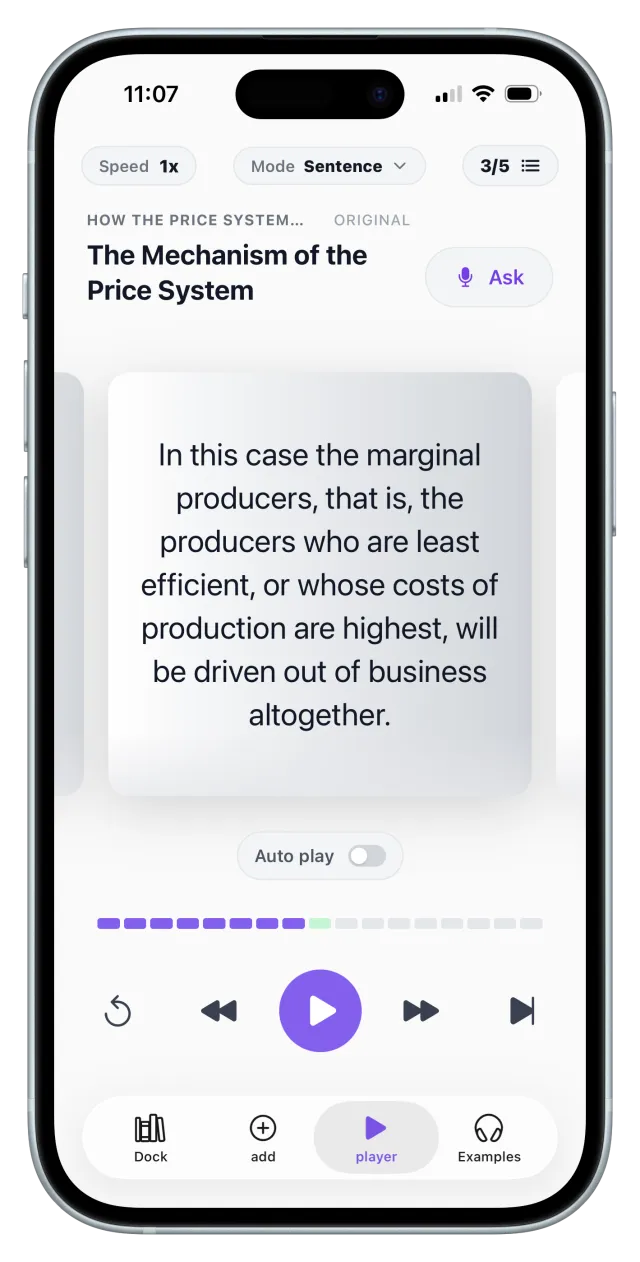
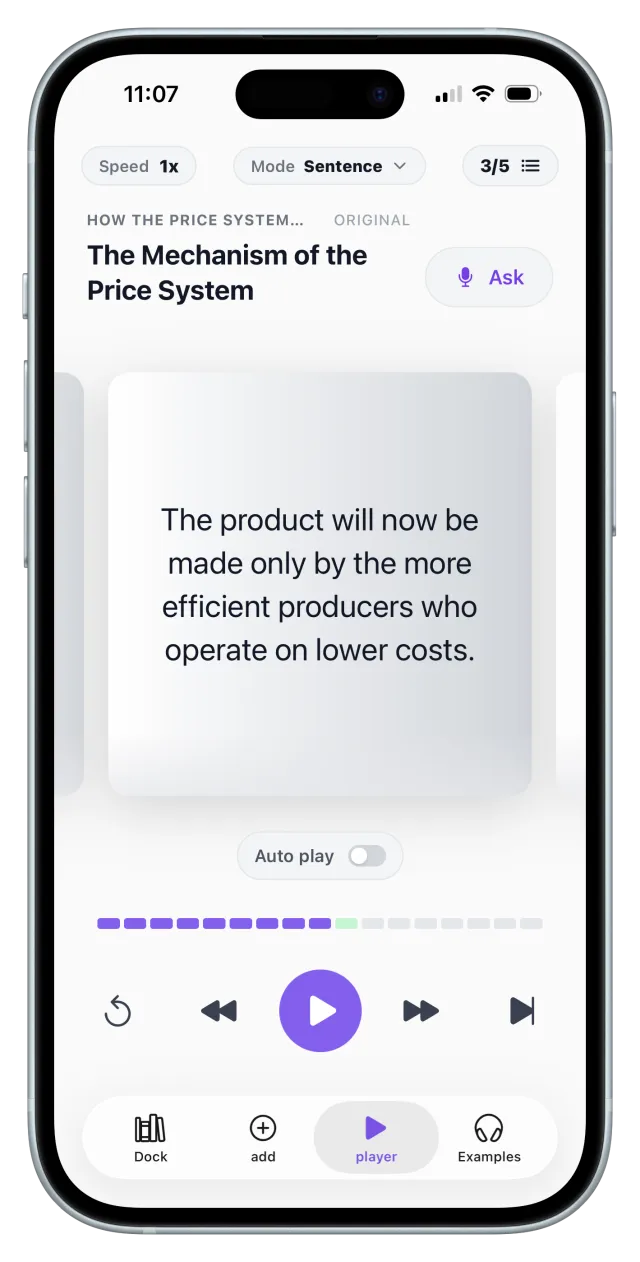
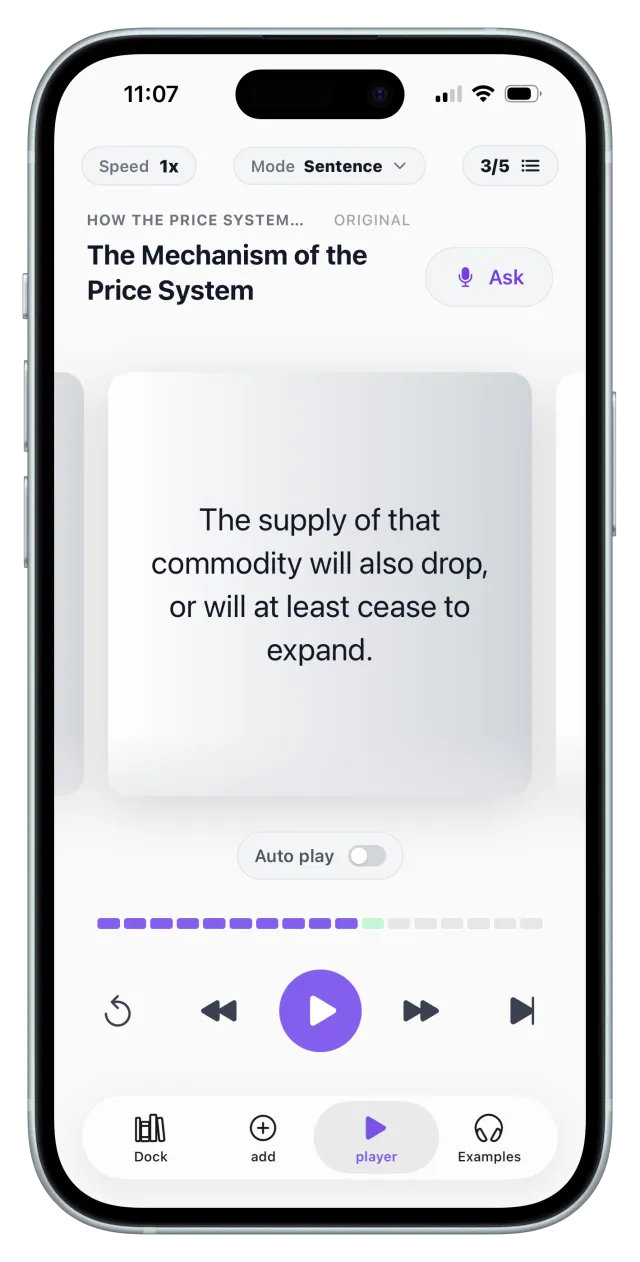
SENTENCE BY SENTENCE MODE

COMMON QUESTIONS
Yes. Every book and article in this list is free to download or read.
Yes. Download a book, add it to ListenDock, and turn it into an audiobook you can listen to yourself.